Understanding Clinics: The Meaning and Importance in Healthcare
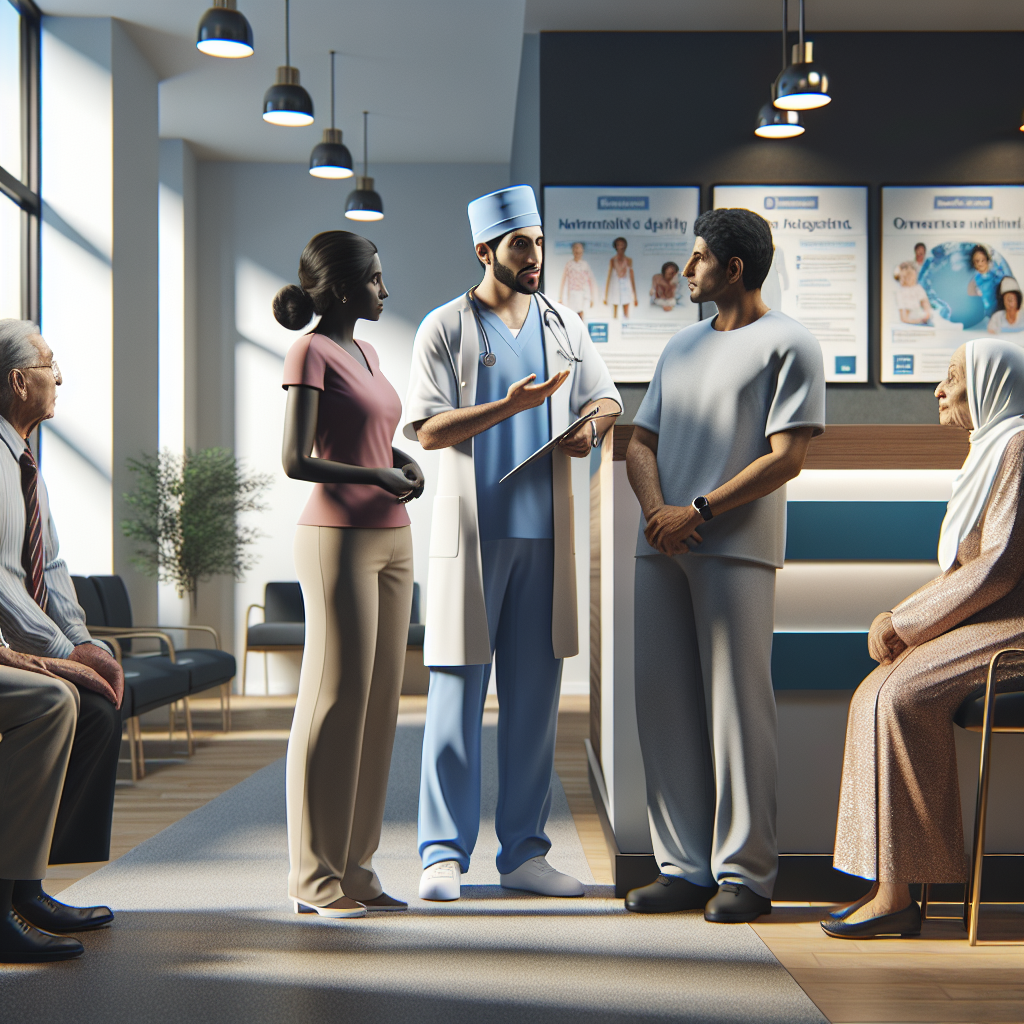
When I first started navigating the world of healthcare, I quickly realized just how crucial clinics are in our health system. It didn’t take long to see that they play a unique role in patient care, making healthcare more accessible. Through my experience, I learned that understanding what clinics are and their importance can make a big difference in how we manage our health.
What Exactly is a Clinic?
Let’s break it down. A clinic is a healthcare facility focused on outpatient services. This means you can visit it for care without the need for a hospital stay. I remember my first visit to a local clinic; the approach was much more personal compared to larger hospital settings. Clinics often offer primary care, urgent care, and specialized services, depending on their focus.
Walking into such an environment, I felt welcomed by the cozy setup. There was an air of familiarity among the staff and patients, creating a comforting atmosphere. This personal touch is something I really appreciate about clinics. They seem to prioritize building relationships with patients, which in turn fosters trust.
The Importance of Clinics in Healthcare
Clinics are essential for many reasons. For starters, they increase access to healthcare services. Not everyone has the luxury of nearby hospitals, and clinics offer a local solution. In my case, when my child had a sudden fever, a nearby clinic was just a short drive away, as opposed to an hour-long trek to the hospital.
These facilities reduce the burden on larger medical centers, allowing them to focus on more complex cases. I remember hearing this during a health seminar; the speaker emphasized how clinics can handle many routine health issues and minor emergencies. This arrangement helps keep the healthcare system functioning efficiently.
Services Offered by Clinics
Clinics cater to a broad range of services, which totally surprised me. From routine check-ups to immunizations and minor diagnostic tests, I learned that clinics are super versatile. During one visit, I had the chance to get my vaccinations up to date without an appointment. It was so easy!
Many clinics also offer preventive care services like screenings and wellness exams. Understanding these options encouraged me to be proactive about my health. Regular visits to my clinic have now become part of my routine.
Comparing Clinics and Medical Centers
Speaking of routine, I often find myself comparing clinics to medical centers. While both serve critical purposes in healthcare, there are distinctions. Medical centers tend to have more resources and specialists on hand. They usually handle more complex cases requiring hospitalization.
In my experience, visiting a medical center meant waiting for longer periods and managing more extensive paperwork. It was not as straightforward as my visits to the clinic. This contrast helped me appreciate the convenience clinics provide for basic healthcare needs.
The Role of Clinics in Patient Care
Now, let’s talk about patient care. I find that clinics, by nature, offer care that feels more personal. This was particularly true for me during a stressful time when my family and I were dealing with health issues. The clinicians at my local clinic took the time to listen, assess, and address our concerns.
Clinics can be the first point of contact in healthcare. They guide us through our health journeys by facilitating referrals to specialists if necessary. During my visits, the staff at my clinic ensured that I understood my conditions and what next steps I needed to take. This guidance was incredibly empowering!
Embracing Technology: The Role of ComunityApp
As health management becomes increasingly digital, apps like ComunityApp (opens in a new tab) have made a significant impact in how we handle medical information. During one of my appointments, I was introduced to this platform by my clinic's staff. They highlighted how it could help me manage my medical records easily.
With ComunityApp, I can store everything from prescriptions to vaccination records all in one place. It’s so much more convenient than rifling through piles of paperwork. The app even allows me to share health summaries with family members. As someone who looks after not only my health but also that of my family, this feature has been a lifesaver.
The AI-powered tools in ComunityApp ensure that medical documents are summarized in plain language. This means no more confusing jargon; just straightforward information. Whenever I have medical appointments, I can utilize the reminders it provides to stay on track with medications or follow-up visits.
Getting Care When I Need It
One of the most significant advantages of utilizing clinics is how they can respond to urgent medical needs. I’ll never forget a day when I injured my wrist while playing with my kids outside. Rather than heading to the hospital, I quickly found a nearby clinic equipped for urgent care. I was in and out, received the treatment I needed, and avoided the lengthy wait times typical of larger facilities.
Clinics recognize the importance of timely care, which is incredibly reassuring during emergencies. I’ve learned to rely on my local clinic for tests, treatments, and even preventive care. This experience has enhanced my confidence in managing our health proactively.
Patient-Centered Approach
Often, I’ve noticed that clinics prioritize a patient-centered approach. This philosophy of care means that they focus on the individual’s needs, preferences, and values. During my regular checks, the healthcare professionals valued my input and encouraged me to participate actively in my care.
This engagement made me feel like an integral part of the process. I’ve come to appreciate that my health journey is a collaboration between myself and my healthcare providers. This kind of atmosphere nurtures an environment of trust that I believe is necessary for effective healthcare.
A Supportive Healthcare Community
Clinics foster a sense of community that feels rare in larger medical establishments. Being greeted by familiar faces on each visit contributes to a comfortable experience. There’s something reassuring about seeing the same staff members regularly as they start to recognize you too.
Over time, I formed relationships with my primary care provider and other staff members. Their support and encouragement have greatly inspired me to maintain my health. I can’t overstate how valuable this has been in managing my health and wellness.
The Bigger Picture: Clinics’ Role in Public Health
Another important aspect of clinics is their role in public health initiatives. Clinics often provide vaccinations and screenings that benefit the larger community. This was especially evident during health campaigns focused on flu shots or COVID-19 vaccinations.
I recall seeing clinics partner with local organizations to promote public health awareness. This involvement showcased how clinics extend their services beyond individual care to improve the health of the entire community.
Continuous Improvement and Quality Care
Clinics also focus on continuous improvement in their services. I witnessed firsthand the dedication to enhancing patient experience during my visits. Staff members regularly ask for feedback, ensuring they meet the needs of their patients.
This commitment to quality care reflects positively on the entire healthcare system. I appreciate knowing that my concerns are taken seriously and that clinics are actively seeking ways to improve.
Stories from my Local Clinic Visits
To illustrate the differences and benefits, I’d love to share a couple of my personal experiences at the clinic.
One time, I walked in with a bad seasonal allergy flare-up. I was greeted with a friendly smile and almost immediately felt more relaxed. The nurse not only listened to my concerns but also walked me through options to alleviate my symptoms. It was refreshing to receive personalized care without feeling rushed.
Another visit was when I had questions about vaccine options for my young child. The doctor took the time to explain the benefits of each vaccine, ensuring I felt confident in the decision I was making. This kind of attentive care is something I wish everyone could experience.
Integrating Health Management Tools
As healthcare becomes increasingly integrated with technology, I find tools like ComunityApp (opens in a new tab) to be incredibly valuable. By streamlining how we manage our health information, we can better engage in our health journeys.
When my family and I faced a health scare, ComunityApp helped me gather and share all necessary health documents quickly. I could leverage its features to summarize test results and keep track of appointments, which eased stress significantly.
The ability to manage my family's health holistically has reshaped how I view healthcare. With all our information in one secure place, I feel more organized and in control.
Future of Clinics and Patient Care
Looking ahead, I believe clinics will continue to evolve. They will likely embrace more technology to offer better patient experiences. The potential for telehealth services is exciting—imagine connecting with my healthcare provider from home!
This evolution has me optimistic that clinics will enhance their reach and services. As we lean on technology like ComunityApp and take steps to improve health access, I can envision a future where clinics play an even more prominent role in public health.
Wrapping Up My Experience
Reflecting on my journey through healthcare, clinics have marked significant moments for me and my family. From urgent care visits to routine check-ups, they’ve become a cornerstone of our health management. Between building trust with healthcare professionals and utilizing tech tools like ComunityApp, I feel more empowered than ever.
If you haven’t already, I encourage you to explore your local clinics. They might just surprise you with their commitment to healing and community. Plus, don’t forget to check out ComunityApp (opens in a new tab) for simplifying your health management. Who knows? You might find it helps you navigate your health journey just as it has for me.
In closing, embracing the importance of clinics is not just about getting care; it’s about establishing a connection with our health. Those connections can lead to healthier lives for us and our loved ones.